AWS's open-source system for cloud consoles. Built for scale and density: hundreds of service teams held to one learnable interface.
Why we like it
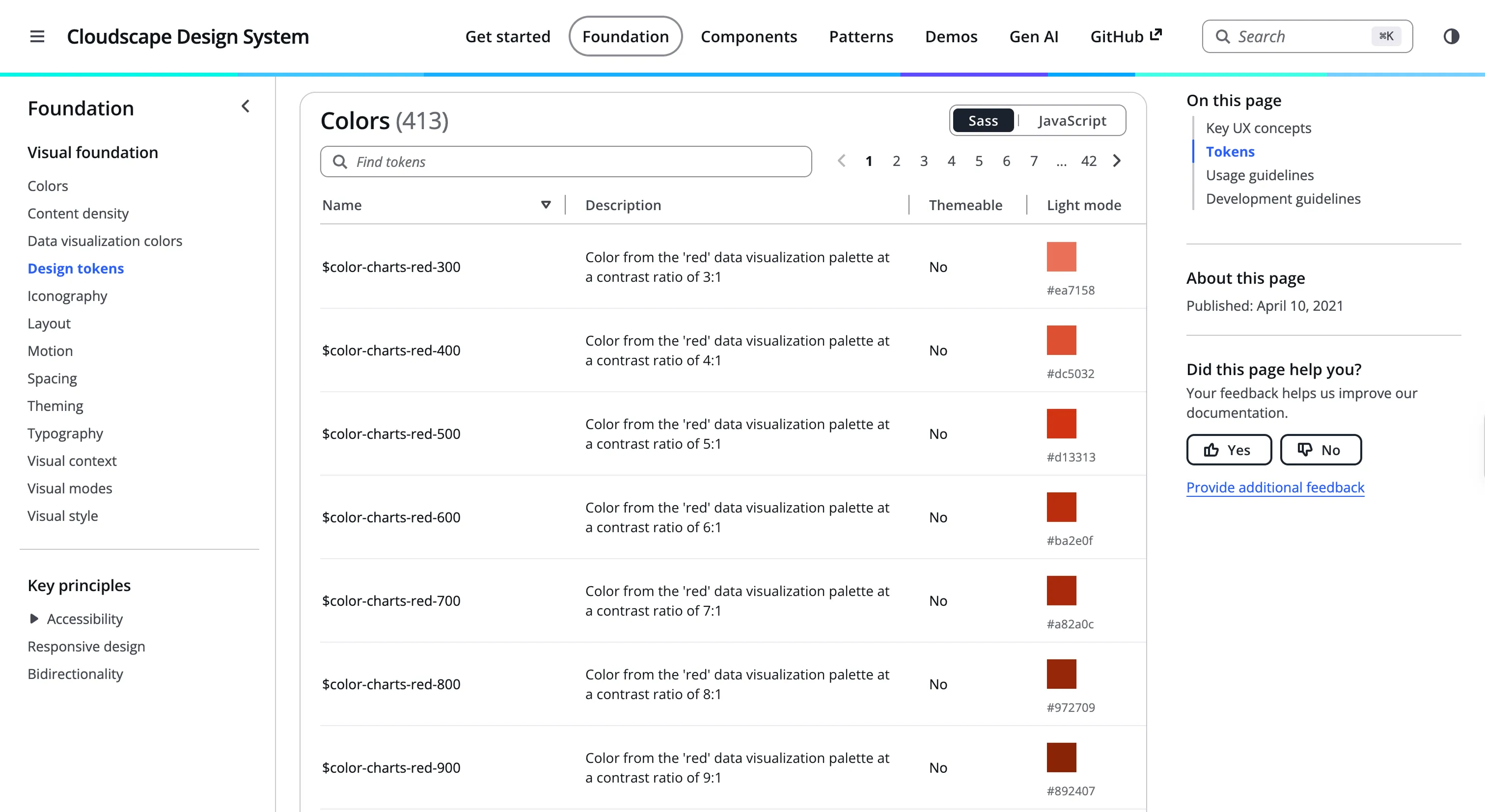
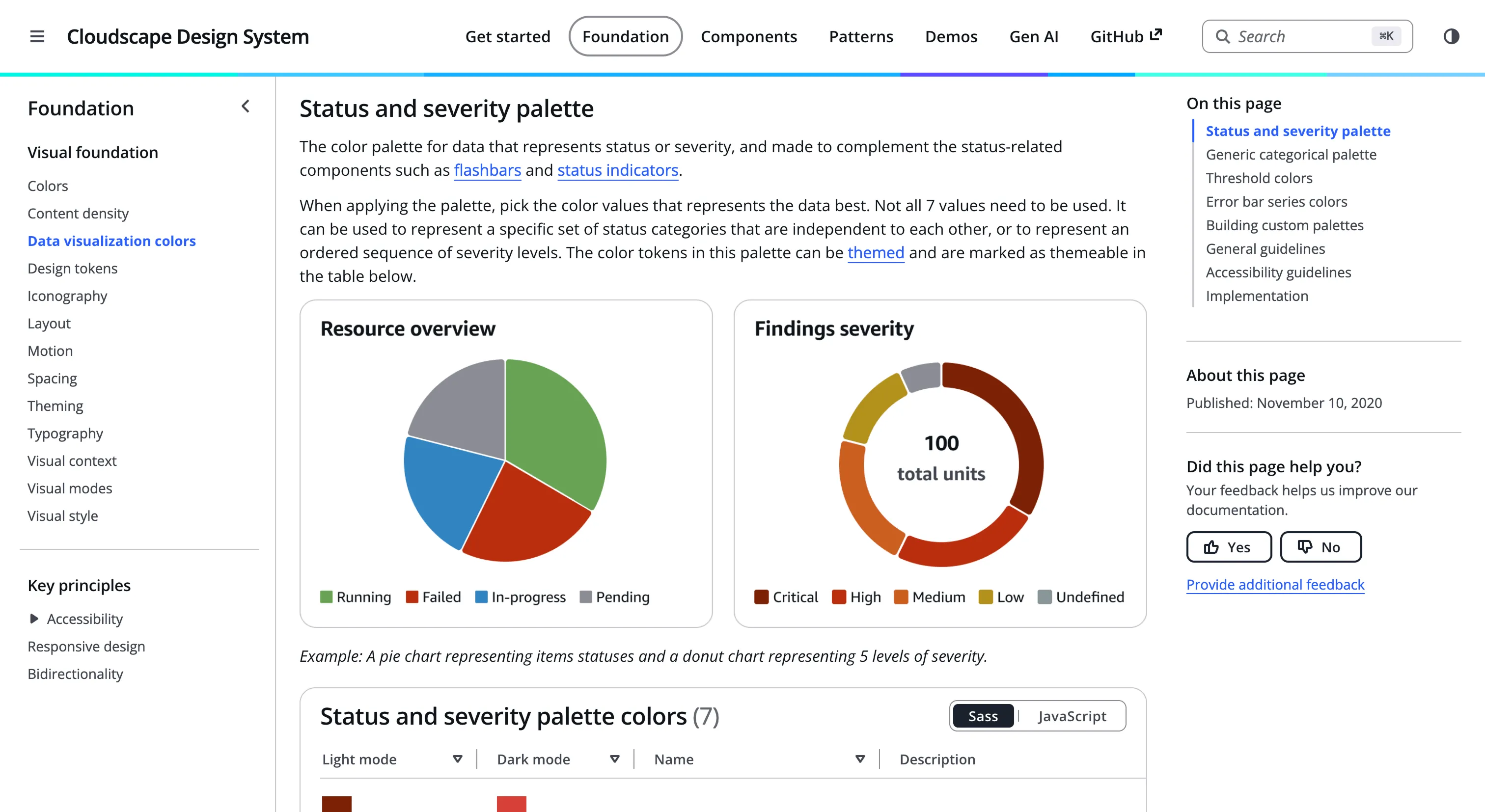
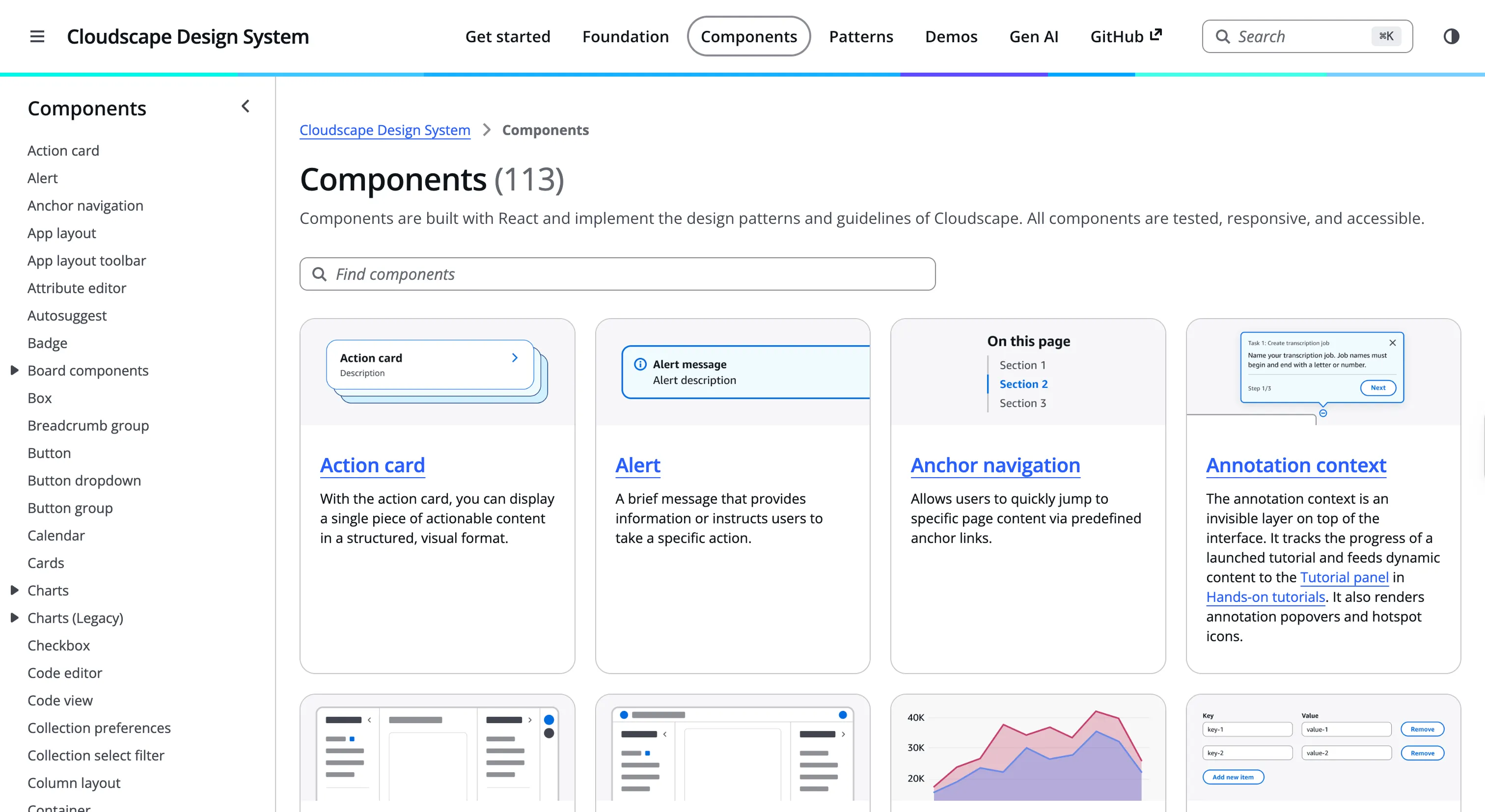
Cloudscape earns its place the hard way, by running the AWS Management Console since 2016 before it was ever open-sourced. What we like is how far past components it reaches: a separate library for draggable dashboard widgets, dedicated charting, generative-AI components, all around a core of tested React components.
It's built for scale in the practical ways too. Internationalization is a configuration step, an I18nProvider plus ICU-formatted message bundles covering thirteen locales out of the box, and content density is a global mode you flip between comfortable and compact for dense operational views. It even publishes an llms.txt for agents.
Where it fits
Cloudscape fits large React consoles and data-heavy admin apps that need localization, density control and dashboard widgets, held to one learnable interface across many teams. For a simple marketing site it's far more than you'd need.
The built-in locale set is left-to-right only, so right-to-left languages need extra work.
Ideas to borrow
- 01.
Pattern fidelity
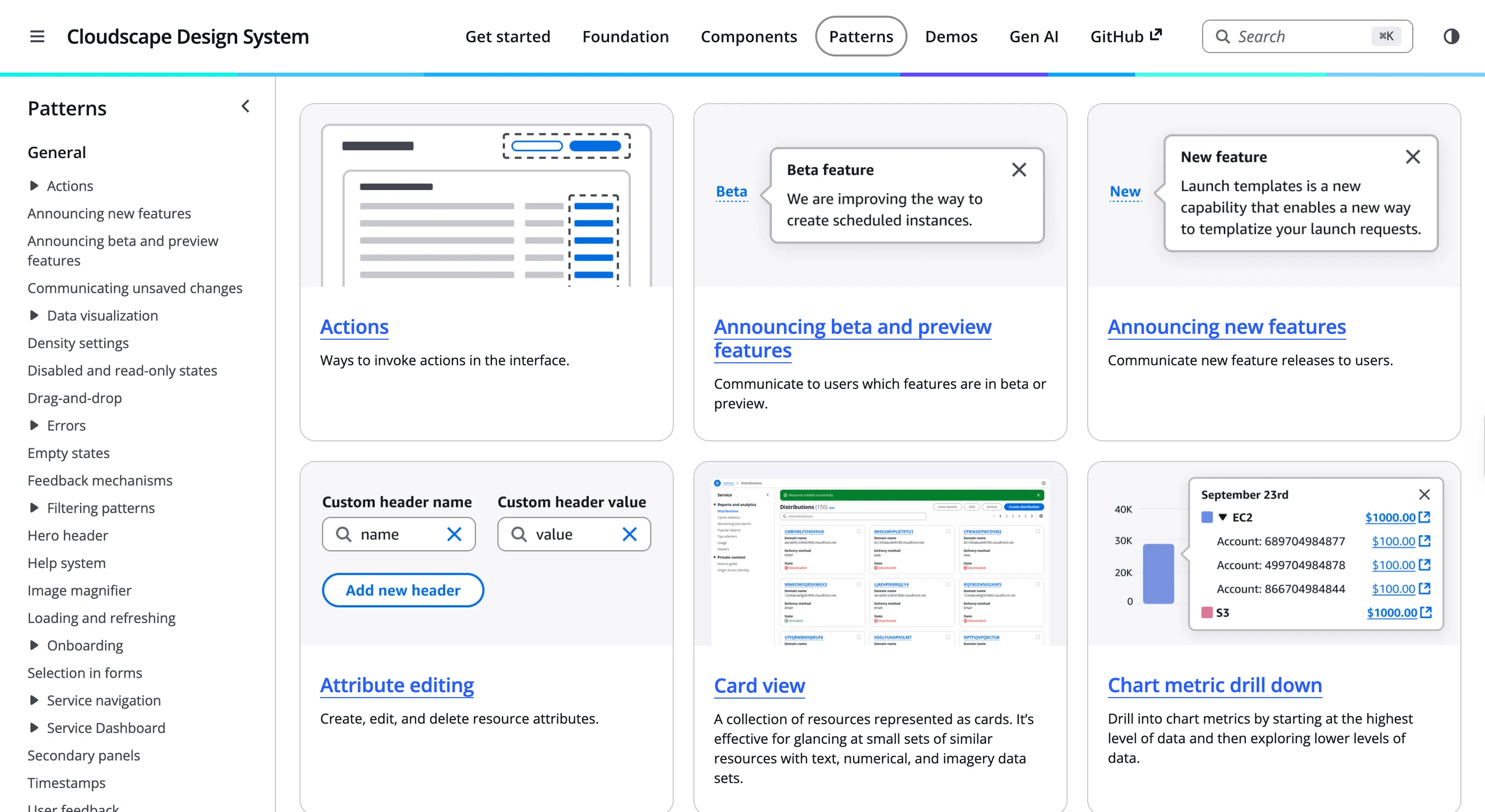
Write patterns with the fidelity of components: labeled anatomy, the exact modal title format, the default confirmation word, writing rules per element. Fifty-nine patterns held to that standard means a team adopting one stops redeciding the thirty small things that make a Delete modal good.
- 02.
Theming
Offer content density as a global runtime mode (comfortable and compact), so one system serves both readable pages and dense operational views without a fork.
- 03.
Architecture
Ship ICU message bundles behind an I18nProvider, so localization across a dozen-plus locales is configuration, not a component rewrite.